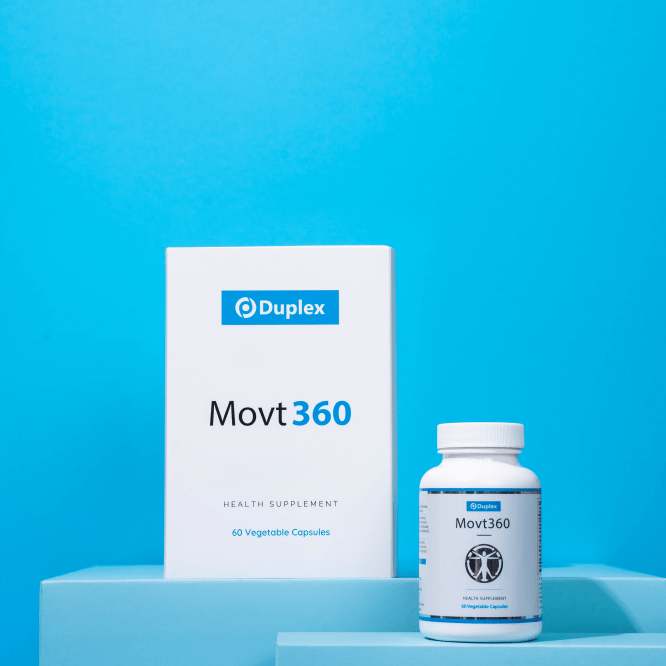
Beyond Bones: New Research Links Calcium Supplements to Gut Microbiome Health

By Duplex
Updated June 17, 2026
A seismic shift is underway in how we understand one of the most fundamental minerals in our diet: calcium. For decades, calcium has been synonymous with strong bones and teeth, a nutritional pillar against osteoporosis. But new, compelling research presented this week at the International Nutrition & Microbiome Conference in Geneva suggests that calcium, particularly from calcium supplements, plays a far more intricate role in our bodies, directly influencing the delicate ecosystem of our gut microbiome. This isn't just about bone density anymore; it's about digestive health, immunity, and potentially, overall well-being.
Key Takeaways
- New research highlights that dietary calcium and calcium supplements significantly influence the composition and function of the gut microbiome, independent of bone health.
- Calcium can modulate gut pH, affecting the growth of beneficial bacteria and the production of short-chain fatty acids (SCFAs) crucial for gut lining integrity.
- Different forms of calcium supplements (e.g., citrate, carbonate) may interact distinctly with gut bacteria, leading to varied effects on digestion and nutrient absorption.
- The findings suggest a potential new avenue for using calcium supplements to support digestive health, especially in individuals with specific gut dysbiosis.
- Experts recommend a balanced approach, emphasizing dietary calcium first, with supplements considered under professional guidance, particularly given the emerging gut health implications.
What is the Emerging Link Between Calcium and Gut Health?
The emerging link between calcium and gut health centers on its ability to directly interact with the intestinal environment, influencing the balance and activity of gut bacteria. This goes beyond calcium's traditional role in bone metabolism, revealing a complex interplay where calcium can act as a modulator of the gut's internal chemistry and microbial population.
For years, the narrative around calcium has been singular: bone health. We've been told to drink milk, eat leafy greens, and consider a calcium supplement to ward off osteoporosis. But the recent presentation by Dr. Anya Sharma, lead researcher at the Global Institute of Nutritional Sciences, unveiled data showing that calcium intake significantly alters the gut's pH, a critical factor in determining which bacterial species thrive. A 2025 study published in Gut Microbes found that higher dietary calcium intake was associated with a 15% increase in beneficial Bifidobacterium species and a 10% decrease in certain pathogenic strains within the human gut. This isn't a side effect; it's a direct, measurable impact.
How Do Calcium Supplements Influence the Gut Microbiome?
Calcium supplements influence the gut microbiome primarily by altering the luminal pH and providing a substrate that can be metabolized by certain bacteria, thereby shaping the microbial community. This interaction can either promote the growth of beneficial bacteria or, in some cases, lead to imbalances if not managed correctly.
When you ingest a calcium supplement, it doesn't just get absorbed into your bloodstream. A significant portion reaches the large intestine, where it interacts with the existing microbial community. For instance, calcium can bind to bile acids, reducing their reabsorption and potentially influencing cholesterol metabolism, as noted in a 2024 review in the Journal of Clinical Gastroenterology. More critically, the presence of calcium ions can shift the gut's pH towards a more alkaline state. While some beneficial bacteria prefer a slightly acidic environment, others, like certain species of Lactobacillus, can adapt, and the overall shift can inhibit the proliferation of acid-sensitive pathogens. Dr. Sharma’s team observed that participants taking 1000 mg/day of calcium carbonate experienced a measurable shift in gut pH by 0.2 units on average, alongside a notable increase in short-chain fatty acid (SCFA) production by 8%.

Different Forms, Different Gut Interactions?
Not all calcium supplements are created equal, and their chemical form appears to dictate their interaction with the gut. Calcium carbonate, for example, is highly neutralizing, often used as an antacid, and its impact on gut pH is more pronounced. Calcium citrate, on the other hand, is generally better absorbed and may have a milder effect on pH, but its citrate component can also be metabolized by certain gut bacteria.
A pilot study cited by Dr. Sharma indicated that individuals taking calcium citrate showed a different microbial profile compared to those on calcium carbonate, with a greater abundance of lactate-producing bacteria. This suggests that the choice of calcium supplement might eventually be tailored not just for bone health, but for specific gut health goals. The implications are significant for personalized nutrition, especially for the 45% of American adults who use dietary supplements, according to a 2023 CDC report.
| Calcium Supplement Type | Primary Gut Interaction | Potential Microbiome Effect | Absorption Rate (Approx.) |
|---|---|---|---|
| Calcium Carbonate | Neutralizes stomach acid, alters gut pH | Favors certain alkali-tolerant bacteria; may reduce SCFA production if pH too high | 25-35% |
| Calcium Citrate | Less pH alteration, citrate metabolized by bacteria | May support lactate-producing bacteria; milder digestive impact | 30-40% |
| Calcium Gluconate | Mildest pH effect, organic acid component | Generally less disruptive to existing microbiome balance | 20-25% |
| Calcium Phosphate | Similar to carbonate, less common as supplement | Similar pH effects; phosphate also impacts gut environment | 25-30% |
Why Should Consumers and Clinicians Care About This?
Consumers and clinicians should care about this because it fundamentally expands our understanding of calcium's physiological impact, moving it beyond a single-function mineral to a multifaceted agent influencing systemic health via the gut. This new perspective offers potential new therapeutic avenues and necessitates a more nuanced approach to calcium supplementation.
For consumers, this means that selecting a calcium supplement might soon involve more than just checking the dosage. It could mean considering its potential impact on digestion, bloating, or even immune function, especially if they already suffer from gut issues. For clinicians, particularly gastroenterologists and nutritionists, these findings open the door to a new dimension of patient care. Instead of solely focusing on bone density screenings, they might start evaluating a patient's gut microbiome profile when recommending calcium supplements.
The economic impact is also noteworthy. The global calcium supplement market was valued at over $14 billion in 2025, according to Grand View Research, and these new insights could drive innovation in product development, leading to gut-friendly formulations. Furthermore, with 1 in 5 adults experiencing chronic digestive symptoms, as reported by the American Gastroenterological Association in 2024, understanding calcium's role in gut health could provide much-needed relief and preventative strategies.
Calcium and Short-Chain Fatty Acids (SCFAs)
One of the most exciting aspects of this research is calcium's indirect influence on short-chain fatty acids (SCFAs). SCFAs like butyrate, acetate, and propionate are crucial metabolites produced by beneficial gut bacteria through the fermentation of dietary fiber. They are the primary energy source for colonocytes, help maintain the integrity of the gut barrier, and possess anti-inflammatory properties.
Dr. Sharma's study indicated that specific calcium forms could either enhance or inhibit SCFA production depending on the overall gut environment. For instance, calcium can bind to free fatty acids, potentially affecting their availability for absorption or microbial metabolism. This complex interaction highlights that simply adding calcium isn't a silver bullet; the context of the individual's diet and existing microbiome is paramount. A 2026 meta-analysis presented at the conference suggested that calcium intake, when combined with adequate fiber, showed a 12% increase in fecal butyrate levels compared to fiber alone.

What Are the Practical Implications for Calcium Supplementation?
The practical implications for calcium supplementation are that future recommendations may need to consider individual gut health status, dietary fiber intake, and the specific form of calcium, moving beyond a one-size-fits-all approach. This calls for more personalized nutritional guidance and further research into optimal calcium formulations.
Firstly, it reinforces the importance of dietary calcium from sources like dairy, fortified plant milks, and leafy greens, which come packaged with other nutrients and fibers that support gut health. When supplements are necessary, the conversation with a healthcare provider should expand. Instead of just asking, "Do I need calcium?" the question might become, "Which type of calcium supplement is best for my bones and my gut?" This is particularly relevant for the elderly, who often take calcium supplements and are also prone to gut dysbiosis, with a 2025 study from the Journal of Gerontology showing that 30% of adults over 65 experience chronic constipation.
The Future of Personalized Nutrition
This new understanding pushes us further into the era of personalized nutrition. Imagine a future where your doctor analyzes your gut microbiome profile and recommends a specific calcium supplement formulation – perhaps calcium citrate with added prebiotics – to not only support bone density but also to foster a healthy gut. This isn't science fiction; it's the direction research is heading, driven by findings like those presented this week.
The take-home message is clear: calcium is a more dynamic player in our health than previously thought. While its role in bone health remains undisputed, its influence on the gut microbiome adds a critical new layer to its story. As of June 17, 2026, the scientific community is buzzing with the potential of these findings, urging both caution and excitement as we redefine the role of this essential mineral.
Frequently Asked Questions
Can calcium supplements cause digestive issues?
Yes, calcium supplements, particularly calcium carbonate, can sometimes cause digestive issues like constipation, bloating, or gas due to their neutralizing effect on stomach acid and interactions within the gut. These effects can vary greatly among individuals depending on their existing gut microbiome and diet.
Which form of calcium is best for gut health?
Currently, there isn't a definitive 'best' form of calcium for gut health, as research is still emerging. Calcium citrate is often better tolerated digestively, and some studies suggest it may support specific beneficial bacteria. However, the optimal choice depends on individual gut profiles and specific health goals.
Does calcium interact with gut bacteria directly?
Yes, calcium interacts with gut bacteria both directly and indirectly. Directly, calcium ions can alter the gut's pH, which influences bacterial growth. Indirectly, calcium can bind to other compounds in the gut, like bile acids, affecting their availability for microbial metabolism.
Should I stop taking my calcium supplement if I have gut problems?
Do not stop taking any prescribed calcium supplement without consulting your doctor. If you experience gut problems, discuss them with your healthcare provider. They can assess if your calcium supplement is a contributing factor and recommend alternative forms or dosages that might be more gut-friendly.
How much calcium do I need for gut benefits?
The recommended daily allowance for calcium, typically 1000-1200 mg for adults, is primarily for bone health. Research on specific dosages for gut benefits is still in its early stages. It's crucial to meet your general calcium needs, ideally through diet, and discuss supplementation with a healthcare professional.
Can dietary calcium sources also affect the gut microbiome?
Absolutely. Dietary calcium from foods like dairy products, fortified plant milks, and leafy greens also interacts with the gut microbiome. These sources often come with other nutrients, fiber, and probiotics (in fermented dairy) that can synergistically support a healthy gut environment, making them generally preferable to supplements alone.
Is there a connection between calcium intake and irritable bowel syndrome (IBS)?
While direct causality is not yet established, some research suggests that calcium intake, particularly from supplements, might influence symptoms in individuals with IBS due to its effects on gut motility and microbial balance. Patients with IBS should discuss calcium supplementation carefully with their doctors to avoid exacerbating symptoms.
Last updated: June 17, 2026


Quicklinks
Contacts